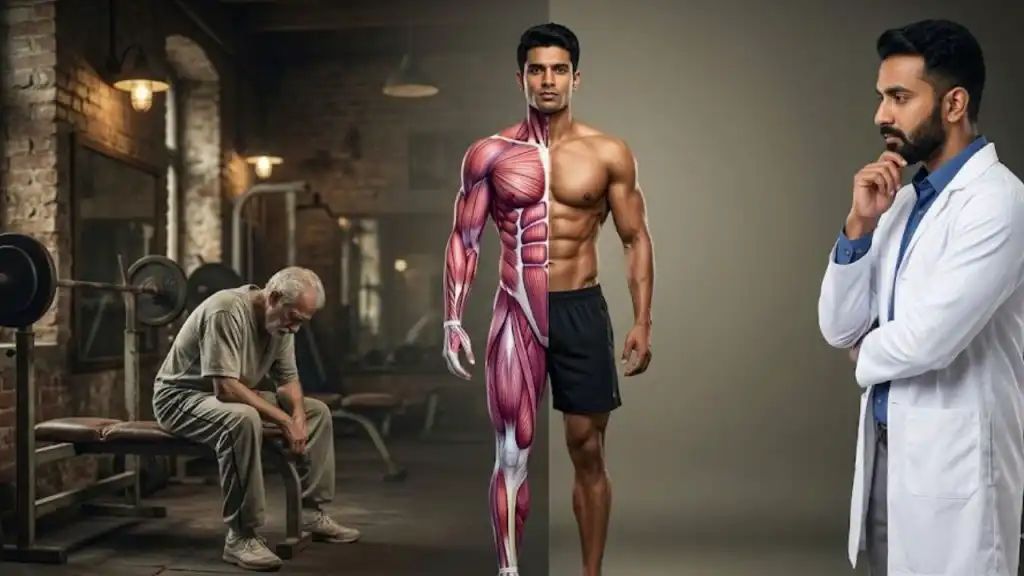
Maintaining good health as we age is about more than body weight or physical appearance. Health specialists say the strength of certain key muscle groups can provide valuable insight into a person's mobility, independence, and overall well-being later in life.
Among the most important are four often-overlooked muscle groups that support everyday activities, balance, recovery, and breathing.
Grip Strength:
A Window Into Overall Fitness Grip strength is the ability to firmly hold or grasp objects. Experts consider it an important marker of overall physical health because it reflects the condition of muscles, nerves, and general body function.
A simple way to assess grip strength is by hanging from a sturdy bar. Adults who can comfortably support their body weight for several seconds generally demonstrate good hand and forearm strength.
Glute Muscles: Essential for Balance
The glute muscles play a major role in walking, climbing stairs, and maintaining stability. Strong glutes help reduce the risk of falls and support healthy movement as people age.
Balance can be evaluated by standing on one leg. Difficulty maintaining stability may indicate a need for strengthening exercises.
Calf Muscles: Powering Everyday Movement
Located at the back of the lower legs, the calf muscles help with walking, standing, and pushing the body forward. Their condition can also reflect how effectively the body recovers from physical stress or inactivity.
Repeated heel raises while standing on one leg can provide a simple measure of calf strength and endurance.
The Diaphragm: The Muscle Behind Every Breath
The diaphragm is a large muscle beneath the lungs that drives breathing. Strong diaphragm function supports efficient oxygen intake and helps keep the respiratory system healthy.
Deep breathing exercises and breath-control activities can help maintain diaphragm strength over time.
Why Muscle Health Matters
These four muscle groups work together to support movement, balance, endurance, and breathing. Regular physical activity and targeted exercises can help preserve their strength, promoting greater independence and quality of life in later years.
Monitoring muscle function from time to time can offer useful clues about overall fitness and help individuals take proactive steps toward healthier aging.














Comments
Sign in with Google to comment.