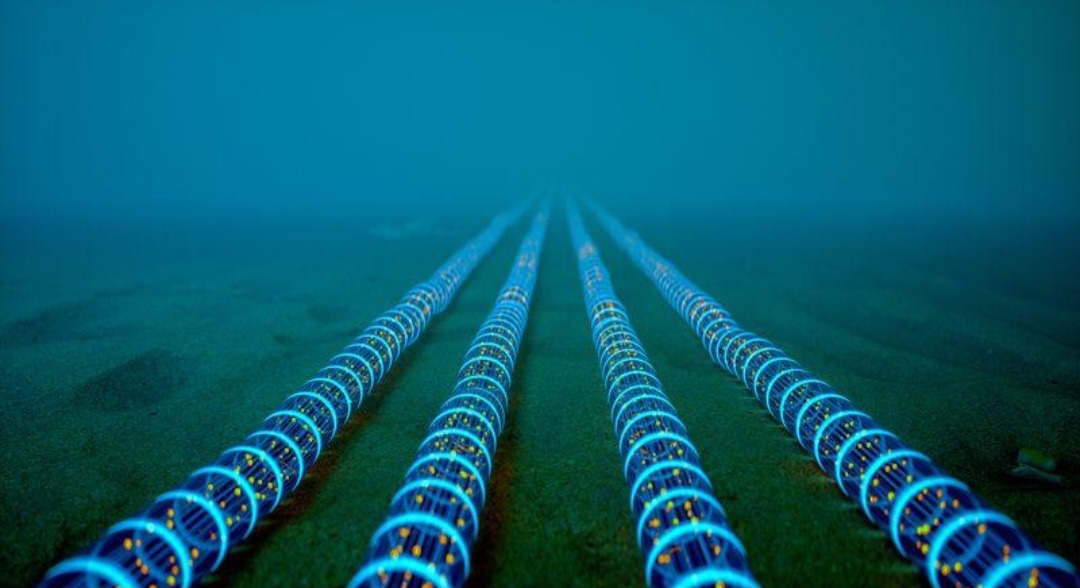
The escalating Iran conflict is now threatening more than oil supply routes, with experts warning that the Strait of Hormuz has become a critical digital chokepoint. Beneath these strategic waters lies a dense network of subsea fibre-optic cables that carry the majority of global internet traffic between Asia, Europe, and the Middle East. Any disruption here could have far-reaching consequences for global connectivity.
Submarine cable systems such as Asia-Africa-Europe links and Gulf-based networks run through this narrow corridor, making it one of the most sensitive data transit zones in the world. These cables handle everything from financial transactions to cloud computing and international communications, meaning even a minor fault can slow down entire regions.
With rising military activity, the risks to these cables have increased significantly. Damage can occur accidentally through ship anchors, naval operations, or underwater explosions. At the same time, concerns are growing that critical infrastructure like subsea cables could become deliberate targets in a prolonged conflict scenario.
For countries like India, the stakes are particularly high, as a large portion of international data traffic depends on routes passing near the Gulf. Any outage could disrupt banking systems, IT services, stock markets, and digital platforms, potentially leading to economic losses and widespread service interruptions.














Comments
Sign in with Google to comment.