Islamabad | April 25, 2026
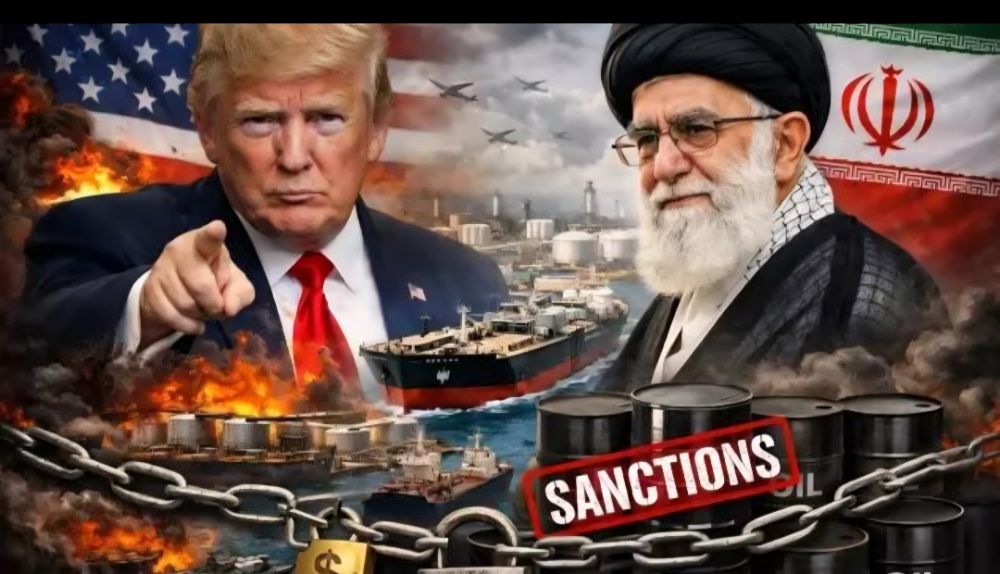
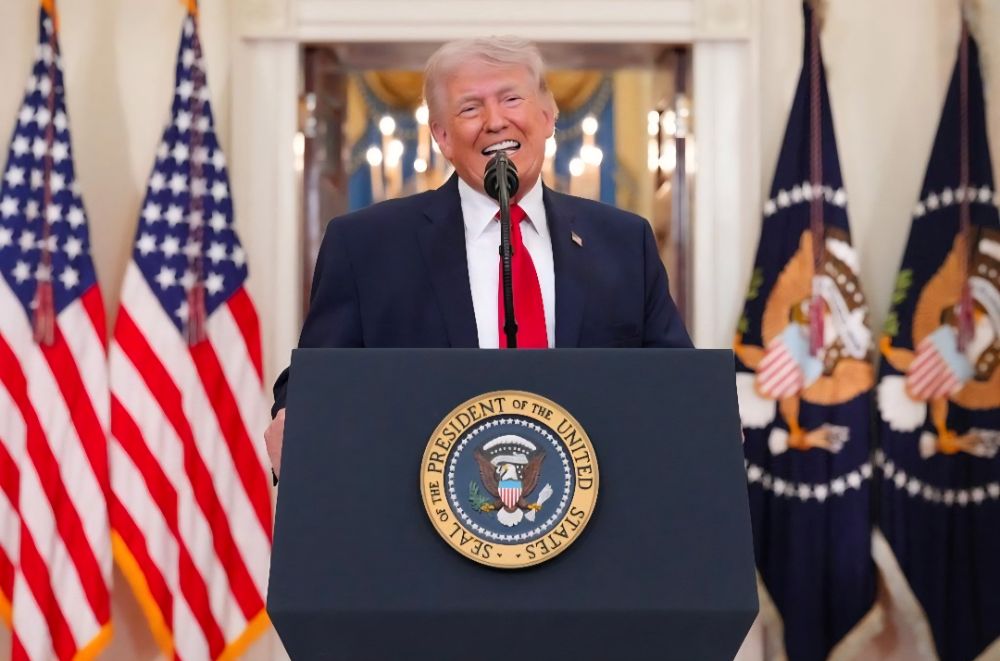
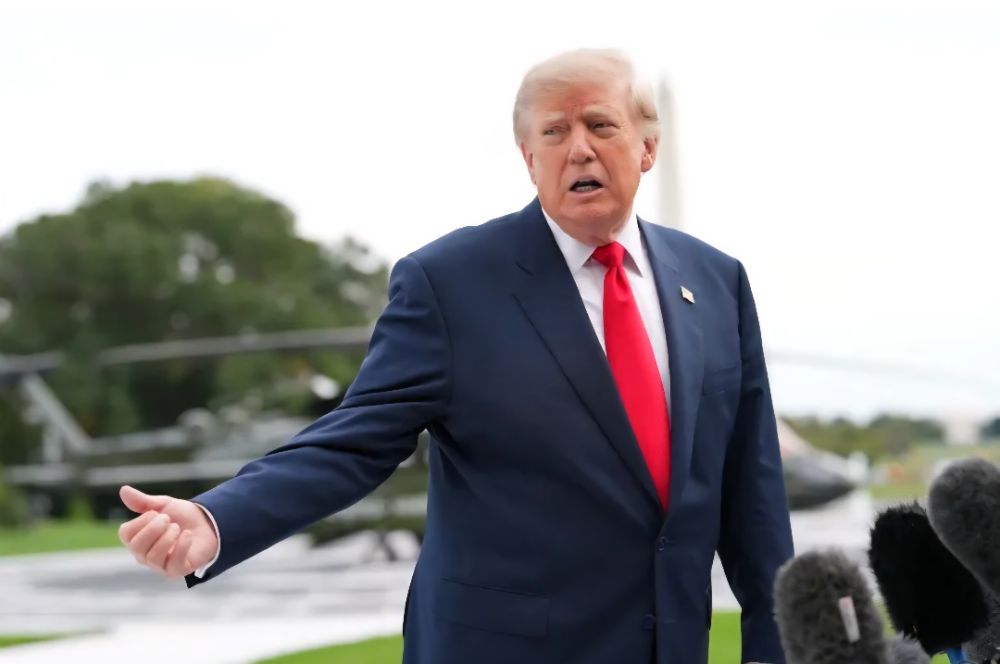
Diplomatic momentum is building once again as the United States and Iran prepare to resume peace negotiations in Islamabad, following a fresh extension of the ceasefire by Donald Trump. The decision to prolong the truce has created a narrow but critical window for both sides to return to the table and attempt to ease rising regional tensions.
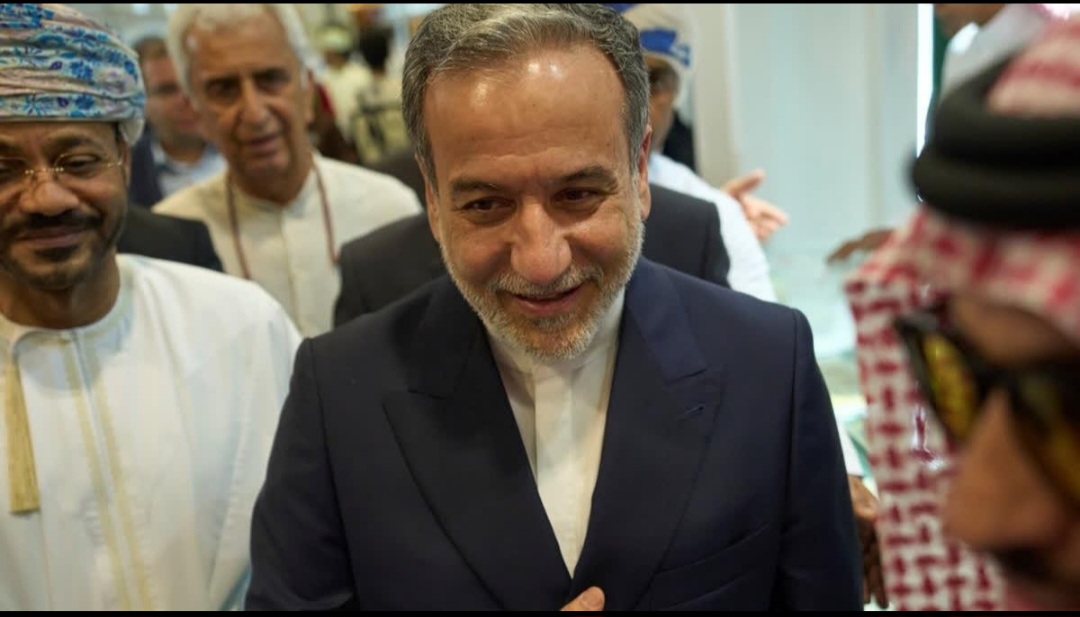
Iran’s top diplomat Abbas Araghchi has already arrived in the Pakistani capital, signaling Tehran’s readiness to re-engage in dialogue. His visit is being closely watched as a potential turning point after earlier rounds of talks failed to produce a breakthrough.
On the American side, senior envoys are expected to land in Islamabad shortly, with the White House confirming that preparations are underway for another round of high-level discussions. Officials say the focus will remain on reducing hostilities and exploring a broader framework for long-term stability.
According to the White House Press Secretary, the ceasefire extension reflects a calculated effort to prioritize diplomacy over confrontation. The administration believes that sustained engagement could help bridge gaps on key sticking points, including sanctions relief, nuclear commitments, and regional security concerns.
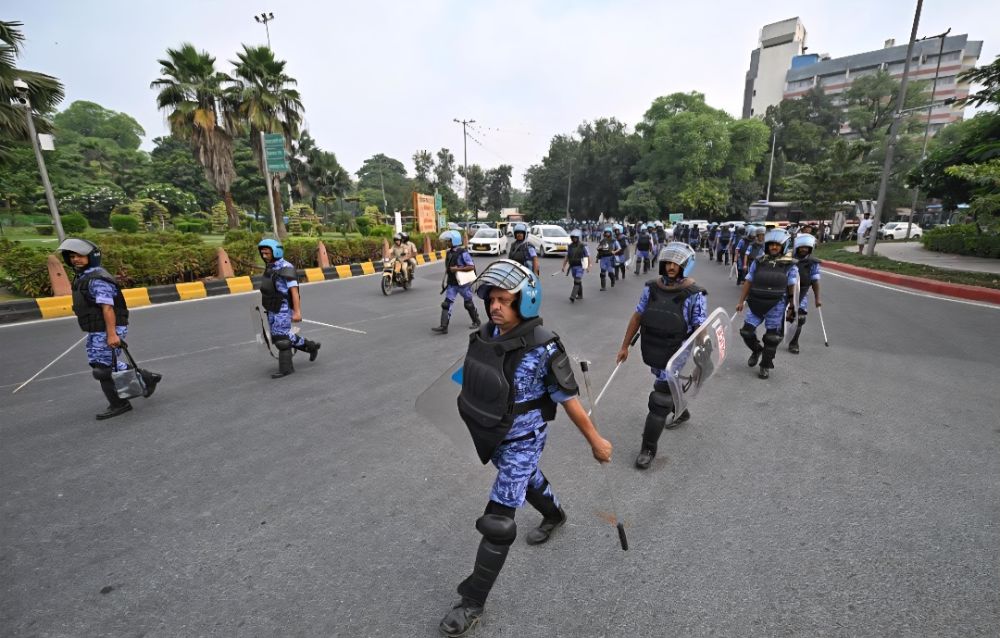
Pakistan, under Prime Minister Shehbaz Sharif, continues to play a pivotal mediating role. Islamabad has tightened security across the city while also facilitating backchannel communication, positioning itself as a neutral ground for both Washington and Tehran to negotiate.
Despite renewed optimism, uncertainty still looms large. Deep divisions remain, and both sides have kept their strategic options open. While the extended ceasefire has lowered immediate risks of escalation, the success of the upcoming talks will be crucial in determining whether diplomacy can prevail over conflict.



Comments
Sign in with Google to comment.