Tehran/Washington, April 27:
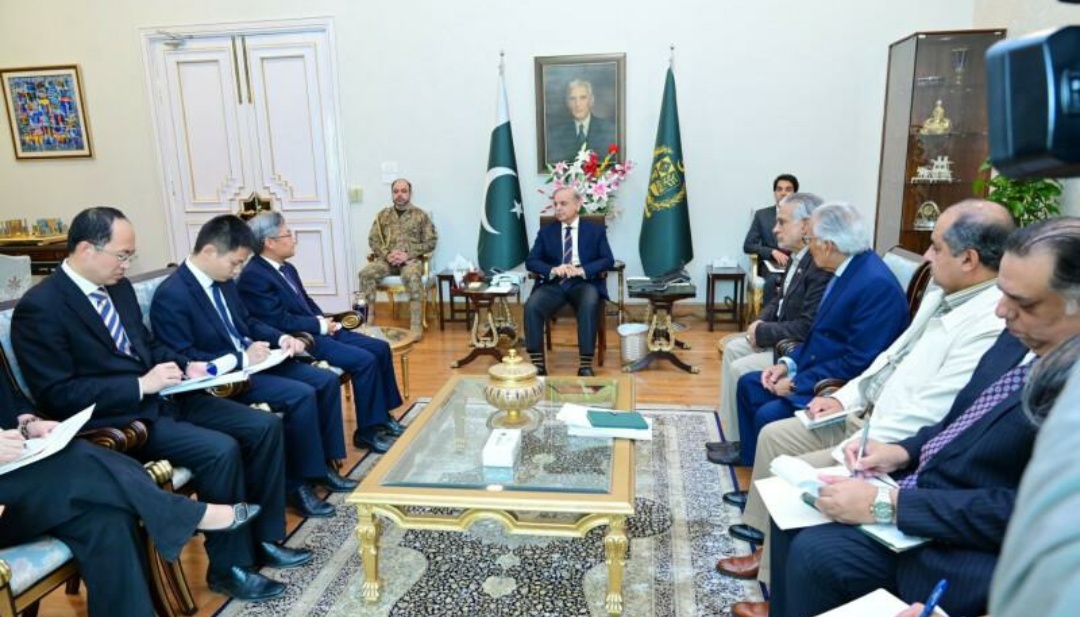
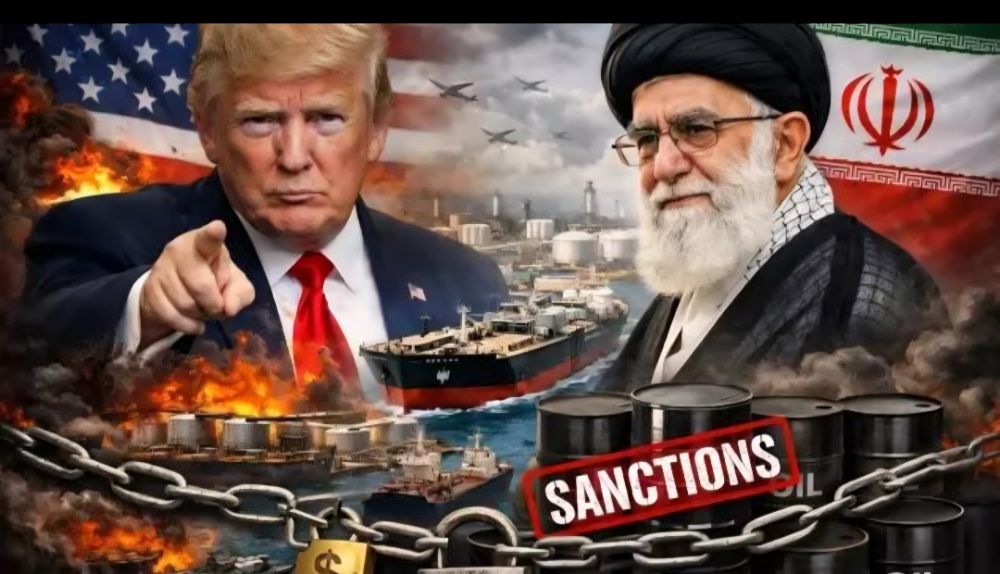
Diplomatic gloves are off. Within hours of failed backchannel talks in Islamabad, Iran has fired a bold three-clause proposal at the United States—a move that signals both urgency and strategic defiance amid rising Gulf tensions.
The message from Tehran is blunt: de-escalate now, argue later. Iran’s pitch is not subtle—it’s a calculated pressure play aimed at forcing Washington to step back militarily while buying time on the nuclear front. With global oil routes strained and the region on edge, Tehran is attempting to flip the negotiation table by prioritising immediate calm over long-term disputes.
THE 3 HARD CLAUSES THAT CHANGE THE GAME:
- STRAIT UNLOCK OR STANDOFF CONTINUES
- Iran has offered to reopen the critical Strait of Hormuz, the world’s most vital oil artery. The subtext is clear—no de-escalation, no oil flow. Markets and governments are watching nervously.
- 2. CEASEFIRE FIRST, QUESTIONS LATER
- Tehran is pushing for a full halt to hostilities with the U.S., demanding an immediate end to military pressure. It’s a direct challenge to Washington’s current posture in the region.
- 3. NUCLEAR ISSUE—DELAYED, NOT DROPPED
- In a controversial twist, Iran wants nuclear negotiations postponed. The demand: stabilise the battlefield first, then reopen talks on its nuclear programme—something the U.S. has historically refused to sideline.
- Washington has yet to officially respond, but early signals suggest resistance. The U.S. position remains rigid—any deal must directly address Iran’s nuclear ambitions, not kick the can down the road.
- The collapse of Islamabad talks has clearly hardened positions on both sides. Iran’s latest move may lower immediate tensions—or escalate the standoff if rejected. Either way, the Gulf is now sitting on a diplomatic fault line, and the next move could decide whether this crisis cools down—or explodes further.





Comments
Sign in with Google to comment.