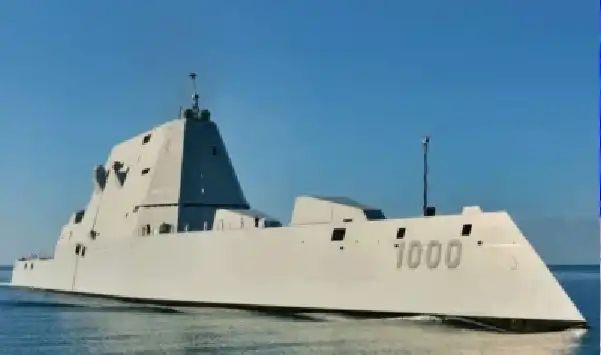
Tensions have sharply escalated in the Strait of Hormuz, one of the world’s most critical oil transit chokepoints. The growing standoff between Iran and the United States is now edging toward a direct military confrontation.
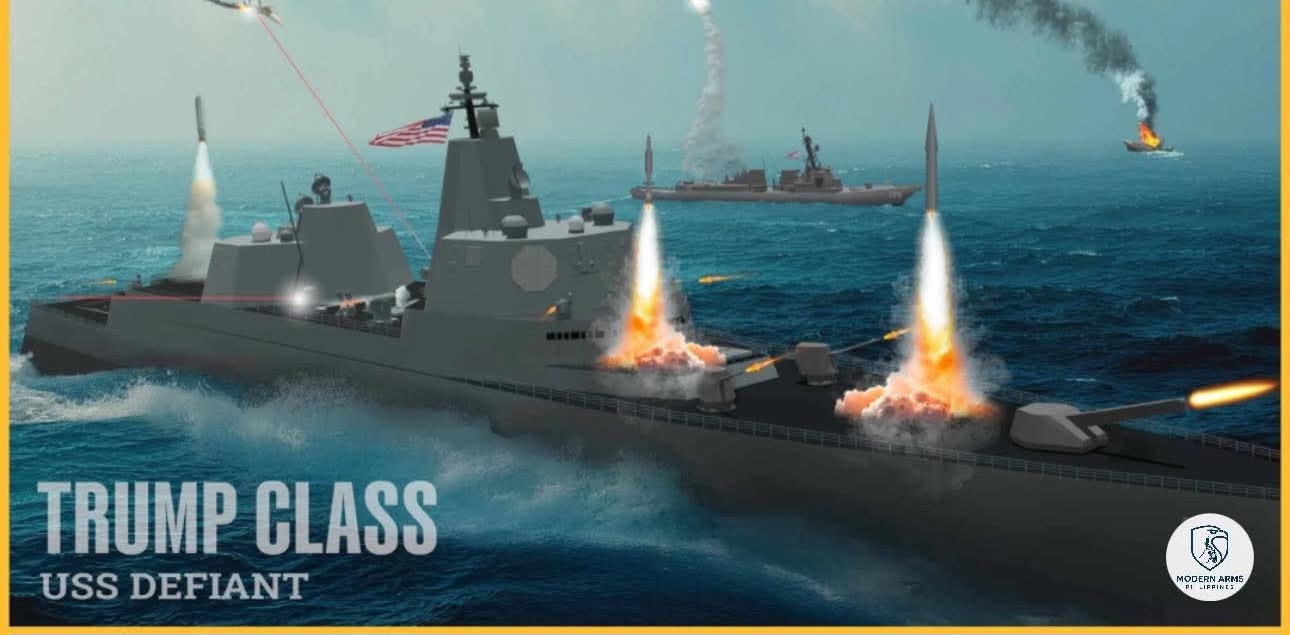
High Tension at Hormuz: Iran Rattled by “Sea Reaper” as U.S. Destroyer Sparks War Fears Reports indicate that a powerful U.S. Navy destroyer has moved close to the region, raising alarm across global strategic circles. According to defense sources, the destroyer is equipped with nearly 90 Tomahawk missiles, capable of striking targets thousands of kilometers away with precision. These missiles, known for their devastating impact, are reportedly on high alert. The presence of this heavily armed warship—often described as a “sea reaper”—has triggered panic and heightened military readiness in Iran.
Iranian officials have issued stern warnings, declaring that any foreign military intrusion into their waters will be confronted. They have made it clear that if the U.S. destroyer is not deterred or withdraws, the situation could spiral into open conflict. Tehran has reiterated its determination to defend its control over the Strait at any cost.
The international community is watching closely with deep concern. Any disruption in the Strait of Hormuz could severely impact global oil supplies, sending fuel prices skyrocketing worldwide. Economies across Asia and Europe, heavily dependent on this route, are particularly vulnerable to the unfolding crisis.
Meanwhile, the United States maintains that its naval deployment is aimed at ensuring maritime security and protecting international shipping lanes. However, Iran views this move as a direct provocation. With neither side showing signs of backing down, analysts warn that the situation could quickly escalate into a large-scale conflict with global consequences.














Comments
Sign in with Google to comment.