Dateline: April 28, 2026
New Delhi: The idea of a car running purely on water has once again captured public imagination, especially amid rising fuel prices and climate concerns. Social media posts and viral claims suggest that water could replace petrol and diesel overnight. However, experts say the reality is far more complex and caution against misleading narratives.
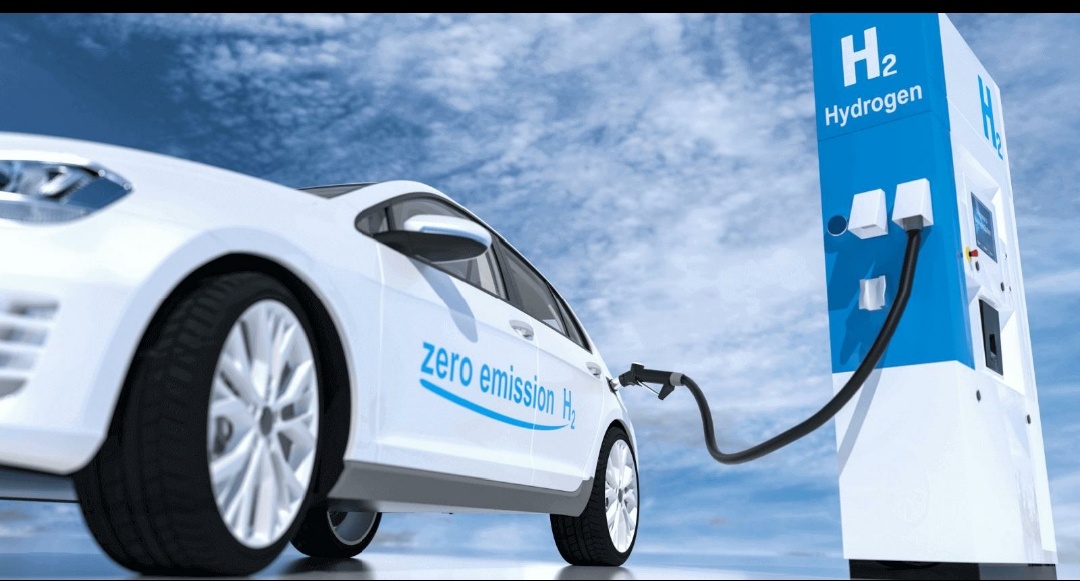
In practical terms, no vehicle today runs directly on water as fuel. Instead, the closest real-world technology is hydrogen fuel cell vehicles such as the Toyota Mirai. These cars use hydrogen gas—often produced by splitting water through electrolysis—to generate electricity, with water vapor as the only emission. While this offers a clean alternative, the production of hydrogen itself requires significant energy, limiting its widespread adoption
Meanwhile, several so-called “water-powered car” concepts circulating online rely on onboard electrolysis systems that claim to extract hydrogen from water and run the engine simultaneously. Scientists and engineers widely dismiss these as inefficient or misleading, as the process consumes more energy than it produces, violating basic laws of physics.
Automotive experts also point to existing technologies like water injection systems, which use small amounts of water to improve engine efficiency and reduce emissions. However, these systems do not replace conventional fuels but merely enhance performance, often in high-end or experimental vehicles.
As the global push for clean energy accelerates, researchers are investing heavily in green hydrogen and renewable-powered electrolysis. While a car running directly on water remains a myth for now, advancements in hydrogen technology could make water an indirect source of future mobility, reshaping the automotive landscape in the decades ahead.














Comments
Sign in with Google to comment.