Kathmandu, August 27, 2026:
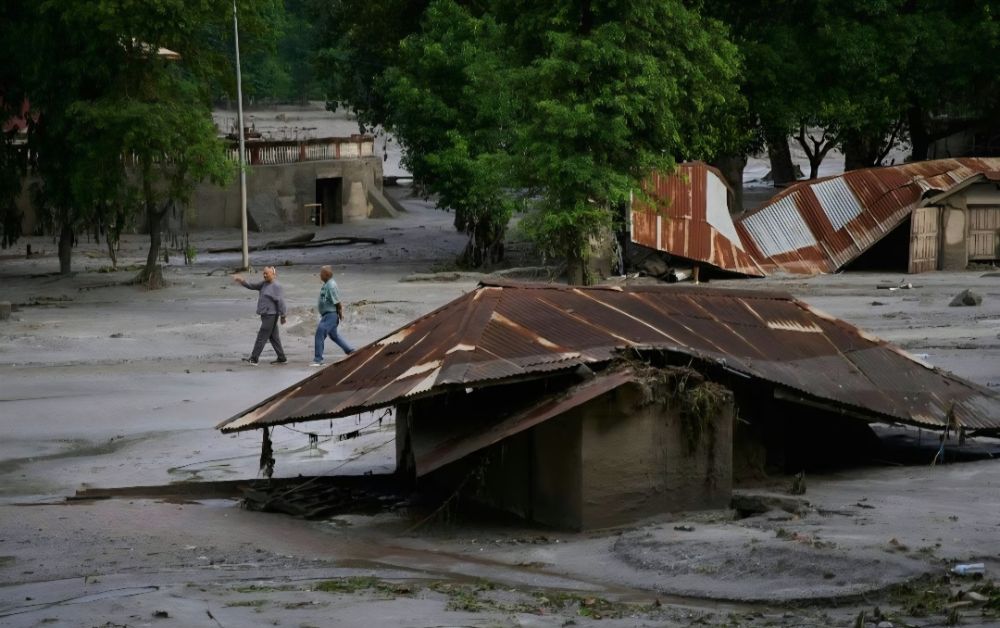
Nepal and the Himalayan border region have been plunged into a devastating humanitarian crisis after catastrophic flash floods swept through several areas, leaving a trail of death and destruction. The combined death toll in Nepal and Tibet has crossed 350, while hundreds of people remain missing.
According to the latest reports, 332 bodies have been recovered in Nepal, while the wider disaster across Nepal and Tibet has claimed at least 353 lives. Rescue teams continue to search devastated communities for survivors and missing persons.
The disaster has also triggered a major concern in India. At least 288 Indian nationals remain unaccounted for in Nepal, even as authorities continue efforts to trace missing tourists and pilgrims. Twenty-one Indians who were reported missing have been rescued, according to Indian authorities.
The flash floods were triggered after an ice-and-rock avalanche/glacial collapse disrupted the flow of the Lhende tributary of the Bhotekoshi River near the Nepal-Tibet border. The sudden surge of water, mud and debris devastated settlements around the Rasuwa district, including the Timure and Rasuwagadhi areas.
Several roads, bridges and other critical infrastructure have been destroyed, making access to the worst-hit areas extremely difficult. Nepalese security forces, helicopters and rescue teams are continuing search-and-rescue operations amid dangerous conditions.
Many of those affected were travelling in the region during the peak Kailash Mansarovar pilgrimage season, adding to concerns over missing Indian pilgrims and tourists. Families across India are desperately awaiting information about their loved ones.
The Indian Embassy in Kathmandu has activated emergency assistance numbers for Indian nationals affected by the disaster, while Indian and Nepalese authorities are coordinating rescue and relief operations.
With hundreds still missing and rescue teams continuing to recover bodies from flood-hit areas, authorities fear the death toll could rise further as search operations reach previously inaccessible locations.










Comments
Sign in with Google to comment.