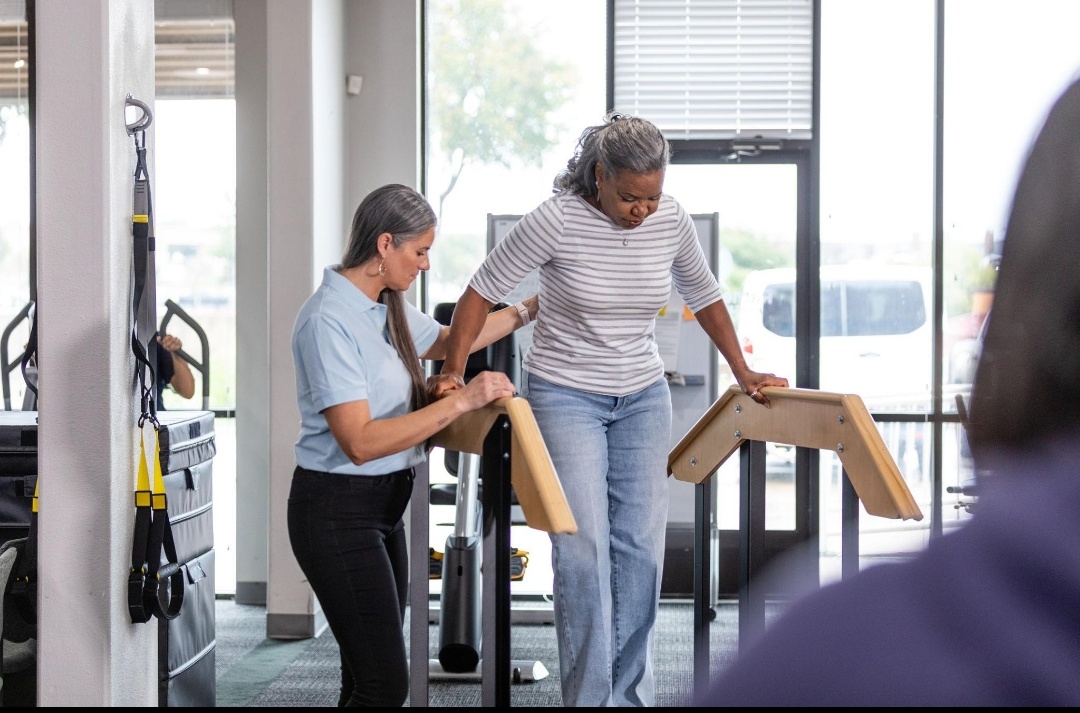
New Delhi: A growing body of research from All India Institute of Medical Sciences (AIIMS) indicates that declining gut health may play a crucial role in muscle weakness and increased fall risk among the elderly—a concern that could reshape how ageing and mobility issues are managed.
Doctors and researchers point to the gut microbiome—the trillions of bacteria living in the digestive tract—as a key factor influencing muscle strength, balance, and overall physical resilience. When this microbial balance is disturbed, it can lead to chronic inflammation, reduced nutrient absorption, and ultimately loss of muscle mass (sarcopenia).
Experts warn that poor gut health may impair the body’s ability to process protein, vitamin D, and essential minerals, all of which are critical for maintaining muscle function and bone strength. This creates a vicious cycle where weakened muscles increase instability, making seniors more vulnerable to falls and fractures.
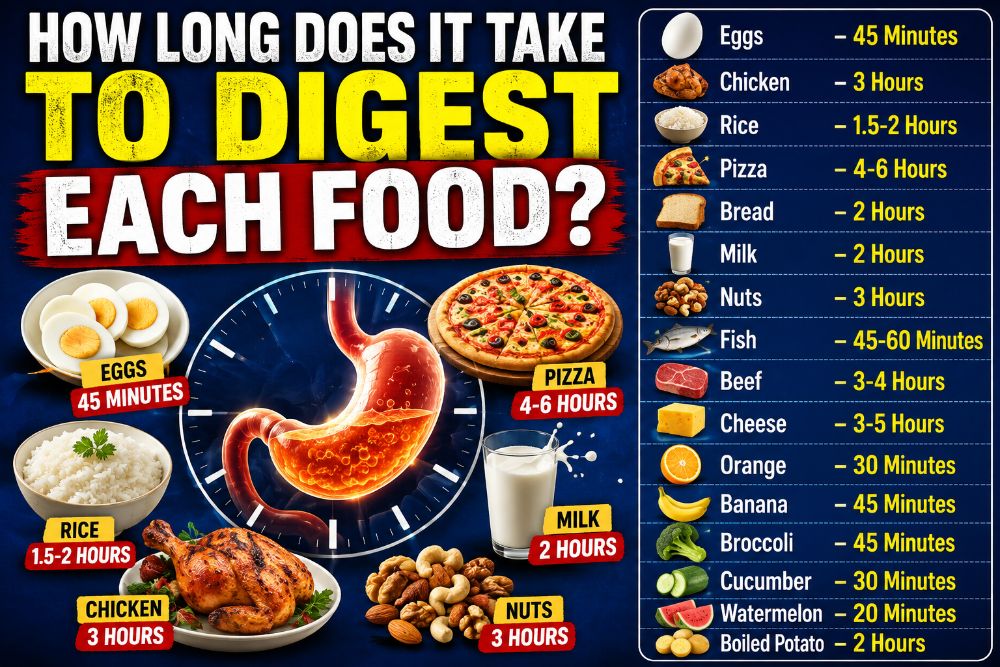
“Maintaining a healthy gut is not just about digestion—it directly impacts mobility and independence in older adults,” AIIMS clinicians note. Preventive strategies now increasingly focus on dietary improvements, including fiber-rich foods, probiotics, and fermented items like curd and buttermilk, alongside regular physical activity.
Health specialists recommend that elderly individuals:
Follow a balanced, gut-friendly diet
Stay physically active with strength and balance exercises
Avoid unnecessary antibiotics that disrupt gut flora
Consider medical advice on probiotics if needed
With India’s ageing population rising, the findings underscore the importance of integrating gut health into geriatric care to reduce fall-related injuries and improve quality of life.












Comments
Sign in with Google to comment.