Islamabad:
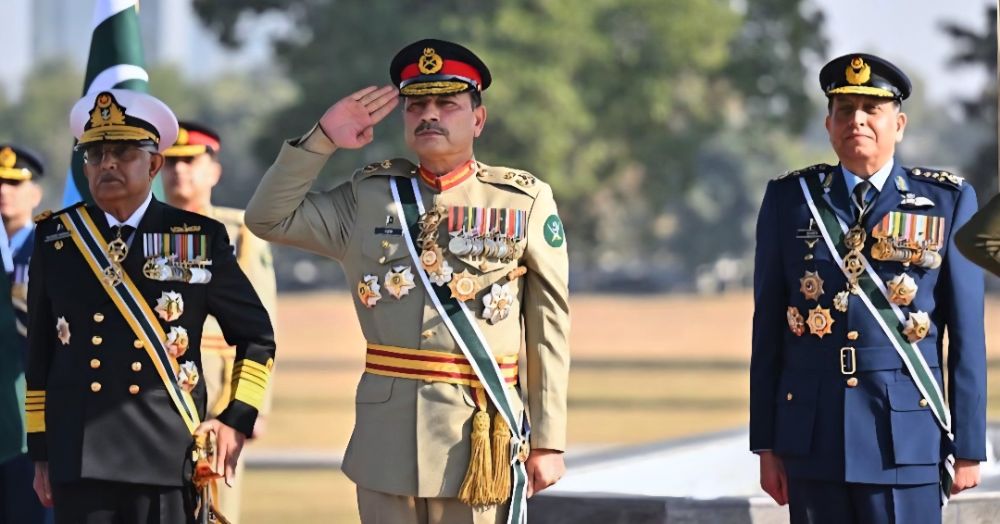
Pakistan has undertaken a major restructuring of its military command system, significantly expanding the authority of Field Marshal Asim Munir and creating a more centralised structure for the country’s armed forces.
The overhaul changes the way Pakistan’s Army, Navy and Air Force are coordinated at the highest level. The new arrangement places the Chief of Defence Forces at the heart of military command, giving the position a far wider role than under the previous system.
Munir, who already heads the Pakistan Army, now occupies a uniquely powerful position within the country’s defence establishment. The changes are being described as one of the most significant transformations of Pakistan’s military command architecture in decades.
Army’s influence set to grow
The new structure is intended to streamline decision-making and improve coordination among Pakistan’s three armed services, particularly during national security emergencies and military operations.
However, the reforms have also triggered debate over Pakistan’s long-standing civil-military relationship. The country’s military has historically exercised substantial influence over national security and political affairs, and critics fear that concentrating military authority could further strengthen the institution’s role in governance.
The restructuring also affects the command framework overseeing Pakistan’s strategic military capabilities, adding another layer of significance to the changes.
What does it mean for Pakistan? Supporters say a unified command system could eliminate overlapping responsibilities and allow the armed forces to respond more efficiently to emerging threats. Critics, meanwhile, argue that the concentration of authority in a single senior military office could reduce internal checks and make civilian oversight more challenging. For Pakistan’s political system, the development could prove consequential.
The central question now is whether the new military framework will remain primarily an organisational reform—or whether it will lead to a deeper shift in the country’s already sensitive civil-military power balance.
With Asim Munir occupying a commanding role across Pakistan’s defence structure, the country is entering a new phase in its military leadership architecture.









Comments
Sign in with Google to comment.