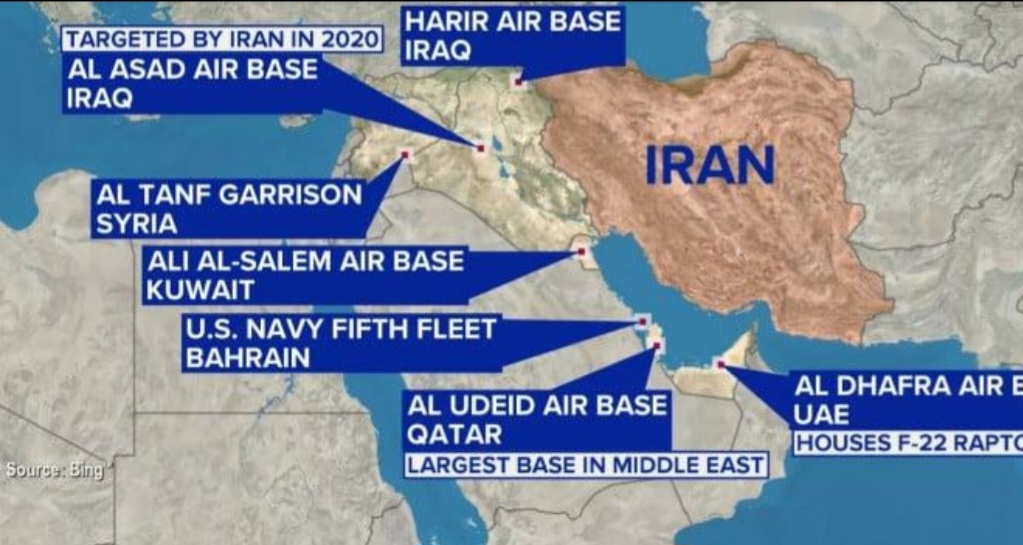
Even if the United States and Iran strike a deal and reopen the strategically critical Strait of Hormuz, global shipping is unlikely to return to normal anytime soon. Nearly 1,500 cargo vessels trapped across the Persian Gulf over the past three months have triggered a massive maritime backlog, threatening to choke global trade routes and energy supplies for weeks — or even months.
Shipping experts warn that reopening the narrow waterway is only the beginning of a far bigger logistical crisis. Authorities will first need to decide which vessels receive priority clearance, how convoy systems will operate, and what safety restrictions must be enforced to avoid collisions in one of the world’s busiest and narrowest oil corridors
Security fears continue to dominate the situation. Intelligence assessments suggest Iran may have deployed naval mines in parts of the Gulf during the conflict period. Clearing those mines could require large-scale operations involving the navies of the United States, United Kingdom, France and Germany — a process analysts say could take several weeks before full commercial movement is considered safe.
The crisis has also exposed severe maintenance problems across the global shipping fleet. Many vessels have remained idle for months in high-salinity Gulf waters, leading to heavy algae growth and marine buildup on hulls. This has reduced sailing efficiency, increased fuel consumption, and forced operators to schedule urgent cleaning and technical repairs before ships can safely resume long-haul operations.
Market analysts estimate that only 40 to 50 percent of normal maritime traffic may resume during the first three to four weeks after reopening. Freight costs, insurance premiums, and delivery delays are all expected to remain sharply elevated as shipping companies struggle to clear the unprecedented congestion.
With energy tankers, cargo ships, and supply chains still under pressure, the reopening of the Strait of Hormuz may offer political relief — but economically, the world could remain trapped in a prolonged shipping and fuel market crisis long after the waterway is declared open.







Comments
Sign in with Google to comment.