Tehran, April 24, 2026:
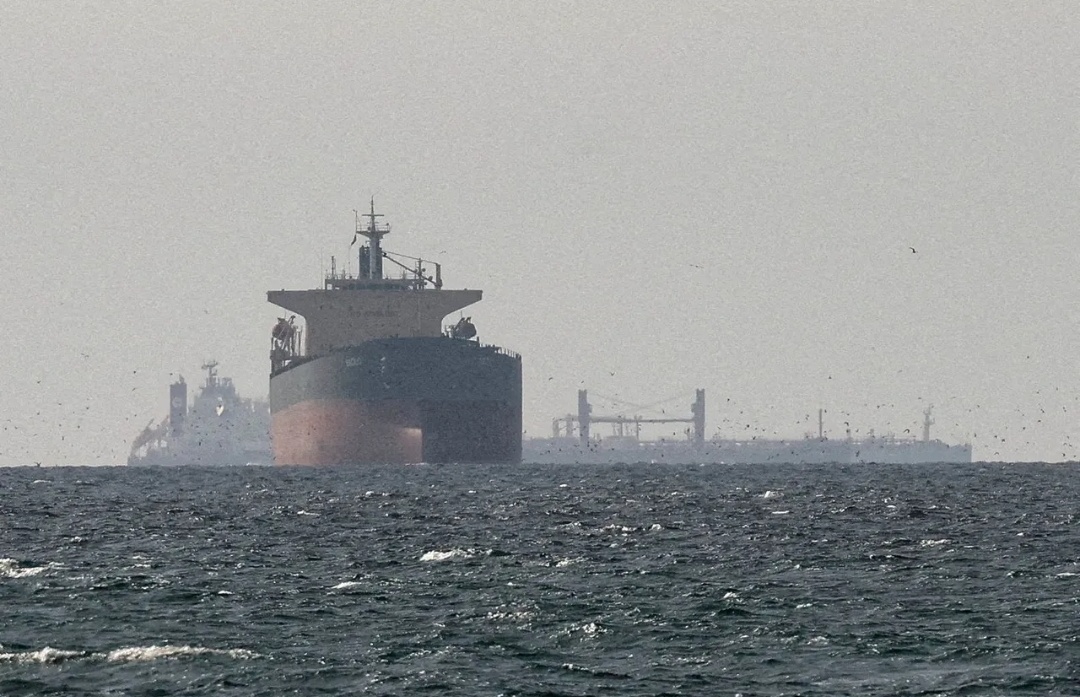
Iran’s central monetary authority has confirmed that proceeds from newly enforced transit charges on vessels moving through the Strait of Hormuz have been received and deposited in physical cash. The disclosure signals a major shift in how Tehran is leveraging its geographic control over one of the world’s busiest energy corridors.
Officials clarified that all payments collected from passing ships are being made in conventional currency and routed directly into national reserves. The statement comes amid earlier speculation that alternative payment modes, including digital currencies, might be used to bypass international financial restrictions. Authorities dismissed such claims, reiterating that transactions are strictly cash-based.
Senior Iranian lawmakers described the toll mechanism as a sovereign right, arguing that vessels navigating through waters under Iran’s influence must comply with the new fee structure. They also hinted at stricter enforcement measures if geopolitical tensions escalate further, particularly in response to pressure from the United States.
The development unfolds against the backdrop of rising friction in the Gulf region, where the Iran-US standoff has already impacted maritime activity. Given that a substantial portion of the world’s oil shipments passes through the strait, the introduction of transit tolls is expected to have ripple effects on global energy prices, shipping costs, and trade flows.








Comments
Sign in with Google to comment.