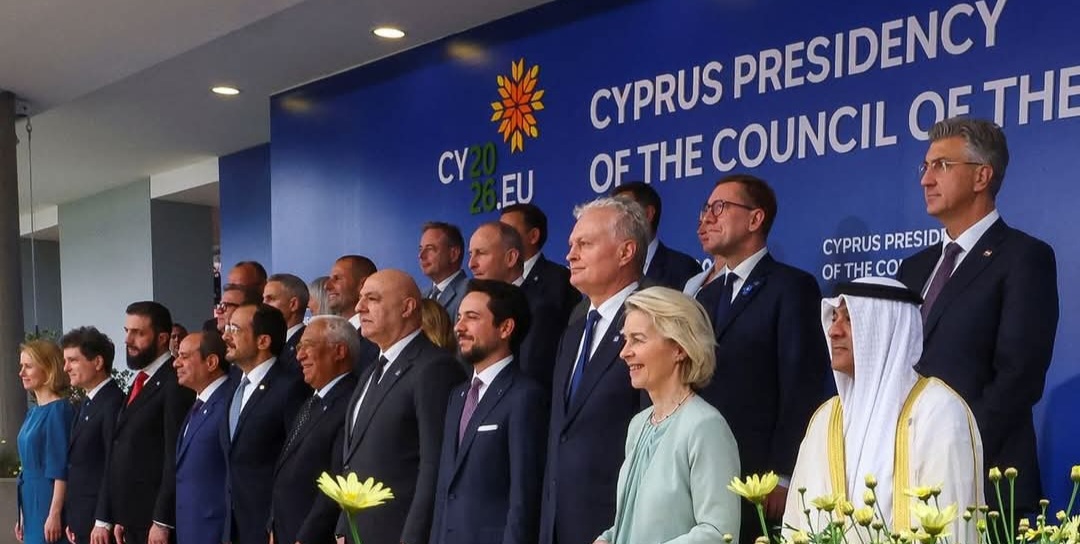
Nicosia, April 24, 2026
The European Union has initiated work on a comprehensive blueprint to operationalise its mutual assistance clause, as concerns grow over the long-term reliability of the NATO alliance. The move signals a shift toward greater strategic autonomy, with EU leaders seeking clearer mechanisms to respond collectively to security threats.
At the heart of the plan is Article 42.7 of the EU treaty, a provision that obliges member states to support any country facing armed aggression. Unlike NATO’s Article 5, however, the EU clause lacks a defined structure for implementation. Officials are now tasked with outlining concrete steps, including coordination protocols, military and logistical support frameworks, and decision-making processes during crises
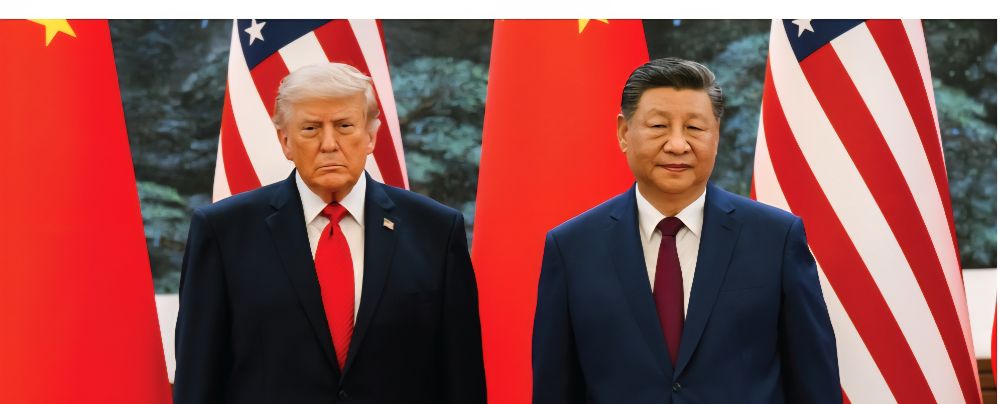
. The renewed focus on internal defence planning comes amid political uncertainty in Washington, particularly linked to the stance of U.S. President Donald Trump, whose repeated criticism of NATO has unsettled European allies. Ongoing global tensions, including instability in the Middle East, have further underscored the need for Europe to prepare for scenarios where transatlantic support may be limited or delayed.
Despite the push for a stronger independent framework, EU officials maintain that the initiative is not intended to replace NATO but to reinforce Europe’s preparedness. Member states remain divided, with some advocating deeper defence integration within the EU, while others continue to prioritise NATO as the cornerstone of collective security.











Comments
Sign in with Google to comment.