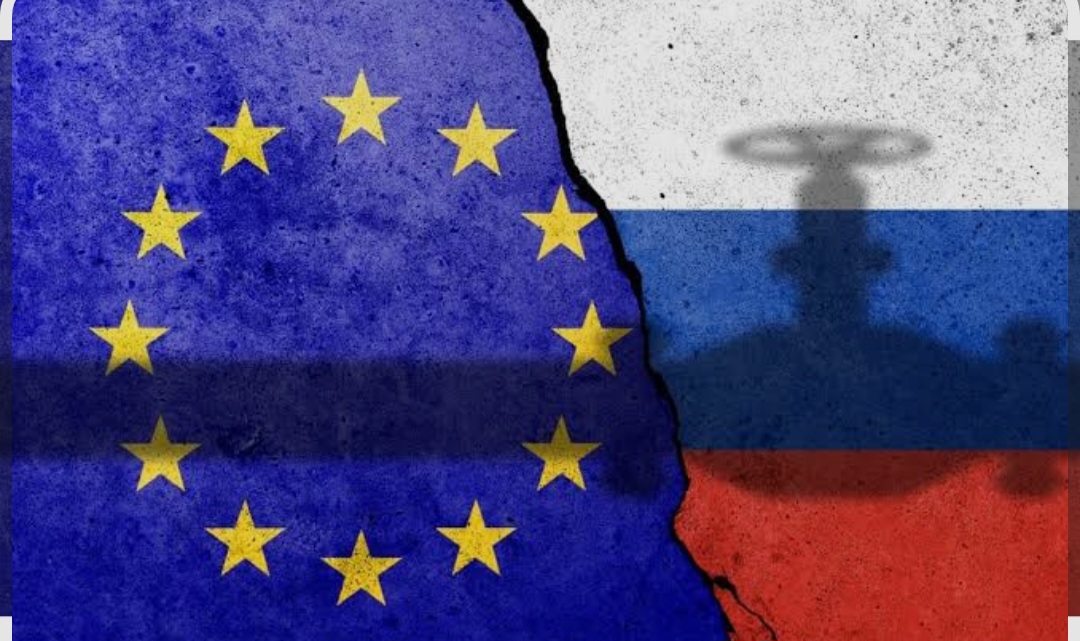
The European Union is facing mounting scrutiny after fresh data revealed that member states spent an estimated $3.33 billion on Russian liquefied natural gas (LNG) in the early months of 2026. The figures have reignited debate over Europe’s energy strategy, especially as the bloc continues to publicly advocate reducing dependence on Russian energy sources.
Despite multiple rounds of sanctions imposed after the Ukraine conflict, Russian LNG has remained outside the strictest restrictions, allowing European nations to continue imports under existing agreements. This has created a visible gap between policy declarations and actual energy trade flows, raising questions about the effectiveness of the EU’s sanctions regime.
Energy analysts point out that long-term supply contracts and infrastructure limitations have made it difficult for European countries to completely halt Russian LNG purchases overnight. Several nations still rely on these supplies to maintain energy stability, particularly during periods of high demand, making an immediate cut-off both economically and politically challenging.
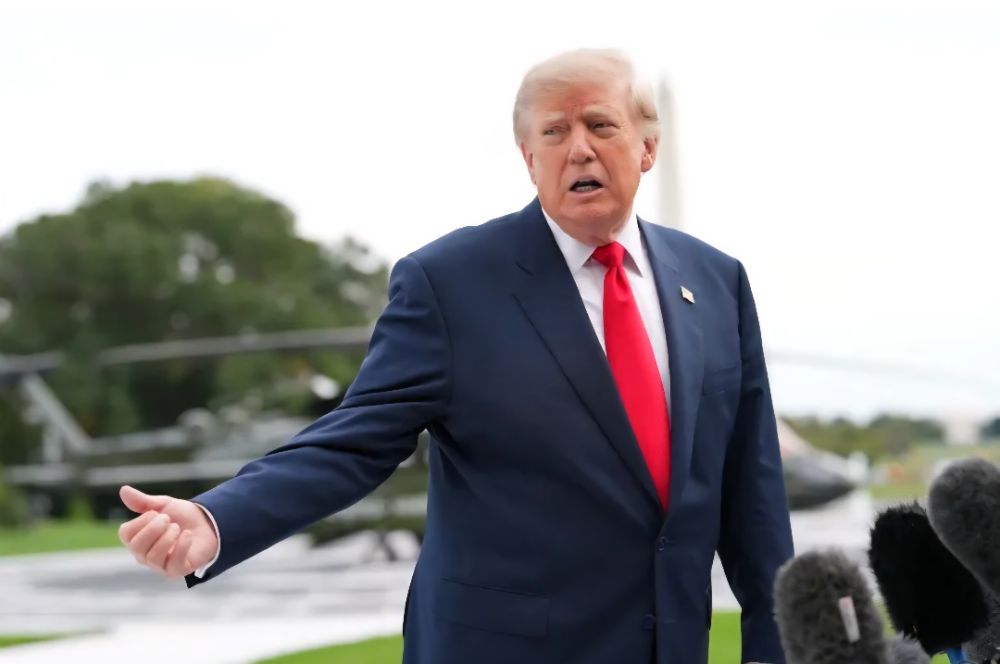
At the same time, EU leaders have been urging the United States to increase energy support, including boosting LNG exports to Europe. This dual approach—seeking alternative supplies while continuing Russian imports—has drawn criticism from observers who see it as contradictory and strategically inconsistent.
Critics argue that continued payments for Russian gas undermine the broader objective of economically isolating Moscow. They contend that as long as billions continue to flow into Russian energy exports, the impact of Western sanctions remains diluted, weakening the EU’s geopolitical stance
. European officials, however, maintain that the current situation reflects a transitional phase. They emphasize that a phased reduction strategy is already in motion, with plans to gradually eliminate Russian gas imports by the end of the decade. Until then, the EU appears set to navigate a delicate balance between political commitments and energy security needs.







Comments
Sign in with Google to comment.