Published by ... Gautam Chandra
NewDelihi ,April 24,2026
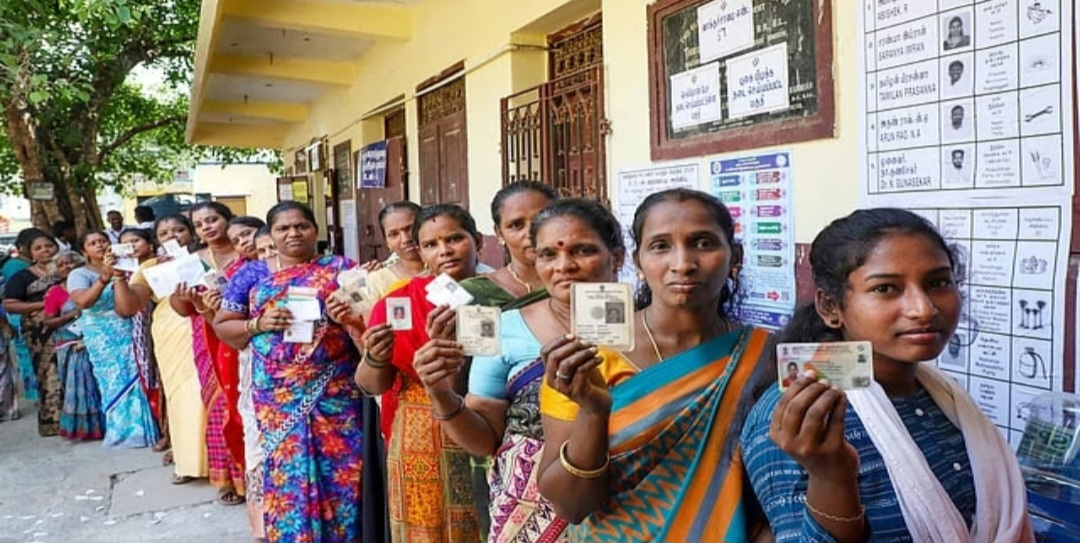
West Bengal witnessed an explosive surge in voter turnout, crossing a staggering 93%, as fear and urgency gripped the electorate. Thousands of migrant Bengalis, working across different states, rushed back home in large numbers amid widespread whispers that skipping the vote could cost them their citizenship. The result: polling booths flooded, queues stretched for hours, and a state charged with unprecedented participation.
Ground reports suggest this wasn’t just routine democratic enthusiasm—it was fear-driven mobilization. From rural belts to urban clusters, voters turned up in record numbers, many admitting they didn’t want to take any chances. First-time voters, daily wage earners, and migrant workers formed the backbone of this turnout wave, dramatically pushing the percentage to historic highs.
Political analysts believe this voting pattern could strongly favor the All India Trinamool Congress (TMC). Contrary to the usual trend where high turnout signals anti-incumbency, Bengal appears to be an exception this time. Welfare schemes, grassroots networks, and targeted outreach may convert this massive turnout into a decisive advantage for the ruling party.
However, the controversy is far from over. The claim that not voting could lead to loss of citizenship has been firmly dismissed by the Election Commission, but the narrative had already done its job—triggering fear, driving turnout, and potentially reshaping the electoral outcome. Bengal didn’t just vote—it erupted at the ballot box.










Comments
Sign in with Google to comment.